
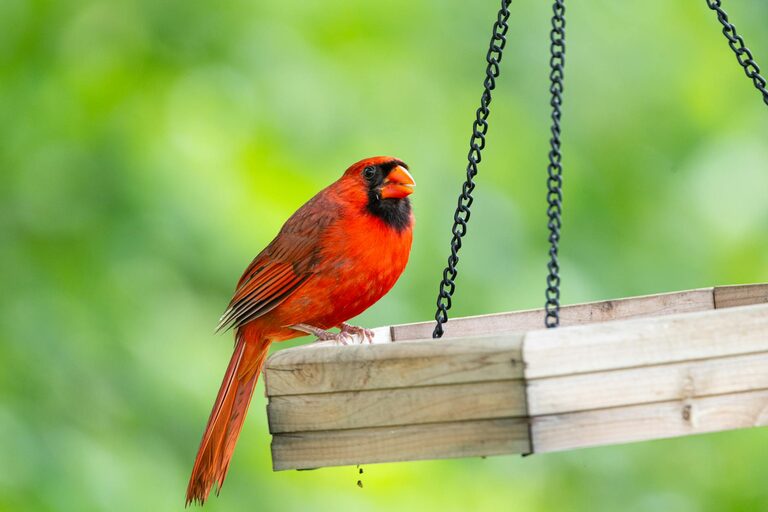
Birdwatching is a peaceful and rewarding hobby that anyone can enjoy. Whether you have a big yard, a small balcony, or just a window view, watching birds can bring a new appreciation for nature right to your doorstep. If you’re new to birdwatching, this guide will help you get started with tips and ideas to make your birdwatching experience fun and successful.
Why Watch Birds in Your Backyard?
Birdwatching is not only relaxing but also educational. It connects you to the natural world and helps you learn about the different bird species that share your environment. Watching birds can also be a great way to unwind and spend quality time outside, even in small urban spaces.
Getting Started: The Basic Gear
You don’t need fancy equipment to begin. Here’s what you might want to have:
– Binoculars: A good pair of binoculars enhances your ability to see details on birds further away. Look for lightweight models with 8x or 10x magnification.
– Bird Identification Guide: Books or apps can help you identify species based on size, color, and behavior.
– Notebook or Journal: Keeping a record of the birds you see can add to the fun and help track patterns.
– Camera or Smartphone: Optional, but useful to capture photos for later identification or just to enjoy.
Creating a Bird-Friendly Backyard
Attracting birds to your yard makes birdwatching easier and more rewarding. Focus on these three essentials:
Food
Offering a variety of bird feeders can attract different species.
– Seed Feeders: Sunflower seeds attract a wide range of birds.
– Suet Feeders: Great for woodpeckers and insect-eating birds.
– Hummingbird Feeders: Filled with sugar water to attract hummingbirds.
– Fruit and Nectar: Some birds enjoy pieces of fruit or nectar.
Remember to keep feeders clean to prevent disease.
Water
Birds need fresh water to drink and bathe.
– Provide a shallow birdbath and keep it filled with clean water.
– Adding a small fountain or drip system can attract more birds by creating movement.
Shelter
Birds feel safer where there are places to hide and nest.
– Plant native shrubs, trees, or flowers to provide cover.
– Add birdhouses suitable for local species.
– Avoid using pesticides that can harm birds and their food sources.
Learning to Identify Birds
Identifying birds can be challenging but fun. Try these tips:
– Observe size, color patterns, and shapes.
– Listen for songs and calls—they can be distinctive.
– Watch behavior such as feeding style or flight patterns.
– Use online guides or bird identification apps with pictures and sounds.
Start by learning common local birds and gradually expand your knowledge.
Tips for Successful Birdwatching
Be Patient and Quiet
Birds can be shy. Move slowly, minimize noise, and find a comfortable spot where you can stay still for a while.
Watch at the Right Times
Birds are most active during early morning and late afternoon. These are the best times for sightings.
Keep a Safe Distance
Use binoculars instead of approaching birds. Getting too close may frighten them away.
Join a Birdwatching Community
Look for local groups or online forums. Sharing experiences and tips can enhance your enjoyment.
Keeping It Environmentally Friendly
Respect nature while birdwatching:
– Avoid disturbing nests or habitats.
– Use feeders responsibly to avoid dependency.
– Support native plant growth to help local wildlife.
Enjoying the Benefits
Beyond the joy of spotting beautiful birds, backyard birdwatching offers many benefits:
– Reduces stress and encourages mindfulness.
– Increases your knowledge of your local ecosystem.
– Provides entertainment and learning opportunities for all ages.
Final Thoughts
Starting backyard birdwatching is easy and rewarding. With a few simple tools and some patience, you can create a welcoming space for birds and enjoy their company every day. Take your time, be observant, and let your newfound hobby bring nature closer to your home.
Happy birdwatching!