
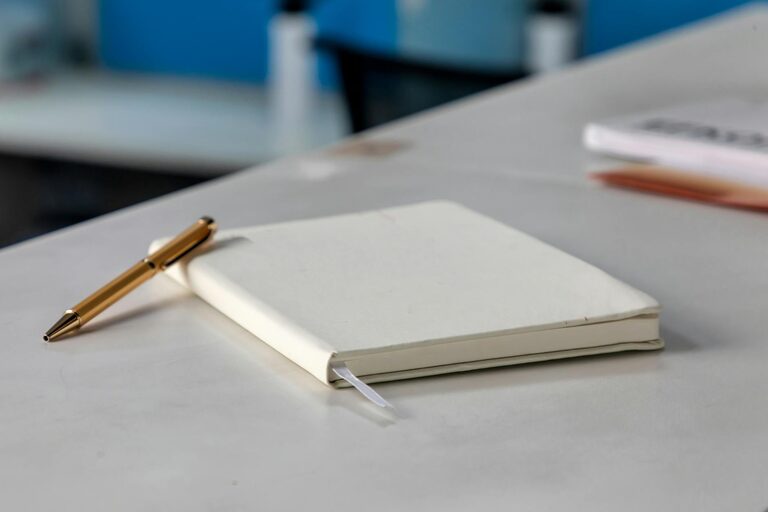
Choosing the right notebook might seem simple, but with so many options available, it can quickly become overwhelming. Whether you want a journal, planner, or a place to jot down ideas, the right notebook can inspire creativity, boost productivity, and help you stay organized. This guide will walk you through key factors to consider, helping you select a notebook you’ll actually use and enjoy.
Why Choosing the Right Notebook Matters
A notebook is more than just paper bound together. It can be your daily planner, a creative outlet, a study tool, or a record keeper. Using a notebook that matches your style and needs encourages regular use. If your notebook feels inconvenient or uninspiring, it’s easy to lose motivation and abandon it.
Consider Your Purpose
Before shopping, think about how you plan to use your notebook. This will influence size, layout, and additional features.
Journaling and Creative Writing
If you want a notebook for personal thoughts or storytelling, look for something with thick, smooth paper to handle various pens and inks without bleed-through.
Planning and Organizing
For daily to-do lists, appointments, or project tracking, a layout with prompts, dates, or grids can help structure your entries.
Note-taking or Study
Students or professionals may prefer notebooks with lined or dotted pages, made to fit easily in backpacks and provide room for organized note-taking.
Sketching and Doodling
If you like to draw, choose notebooks with blank or lightly dotted pages and durable paper to handle pencils, markers, or watercolors.
Choose the Right Size and Format
Notebooks come in many sizes. Here’s what to think about:
– Pocket-sized (A6 or smaller): Ultra portable, easy to carry everywhere, but less space for big ideas.
– Medium (A5): A popular size offering a balance between portability and writing space. Fits most bags.
– Large (A4 or larger): Best for detailed notes, sketching, or planners. Less portable but great for desks.
Consider whether you want a spiral-bound notebook for easy flipping or a stitched or glued binding for a cleaner look. Spiral notebooks often lay flat, useful if you write on both sides of the page.
Pick Your Page Layout
Your notebook’s page design affects usability:
– Lined pages: Ideal for most writing.
– Blank pages: Great for sketches or creative freedom.
– Dotted pages: Popular for bullet journaling; flexible for writing and drawing.
– Grid pages: Helpful for precision, graphs, and diagrams.
– Pre-printed planners or calendars: Help keep track of time and tasks without extra effort.
Choose a style that supports how you want to use your notebook. Some notebooks combine layouts for mixed-use.
Paper Quality Matters
Look at the paper weight, measured in grams per square meter (gsm). Heavier paper:
– Feels thicker and more durable.
– Handles ink well without bleeding or ghosting.
– Supports markers, fountain pens, or mixed-media better.
For everyday writing, paper around 70–90 gsm is common. For art, 100 gsm or above is better. If you use various pens, buy a sample or read reviews to confirm quality.
Cover Type
Decide between:
– Softcover: Flexible, lightweight, easy to carry.
– Hardcover: More durable and protects pages, but adds weight.
– Leather or faux leather: Adds a classic, professional look and durability.
– Recyclable or eco-friendly materials: Great for environmentally conscious buyers.
A sturdy cover protects your notes, especially if you’ll carry the notebook in a bag.
Additional Features to Consider
Sometimes, extras can make your notebook more enjoyable and practical:
– Built-in bookmarks: Quickly find your place.
– Elastic bands or closures: Keep pages safe.
– Pocket folders: Store loose papers or receipts.
– Numbered pages or index pages: Help manage content.
– Perforated pages: Allow clean page removal.
– Pen holders: Keep your writing tool handy.
These features add convenience but might affect cost or thickness.
Set a Realistic Budget
Notebooks range from very affordable to premium prices. Decide your budget upfront but balance cost with quality. Often, a mid-range notebook with good paper and binding offers the best value. Avoid buying something too cheap that you won’t enjoy using or something very expensive that feels intimidating.
Test and Adjust If Needed
Sometimes, you won’t know what works until you try. Starting with an affordable notebook or sampler pack lets you experiment. Track what you like and dislike before committing to a favorite brand or style.
Tips to Actually Use Your Notebook
– Keep it accessible. Store it somewhere visible or in your bag.
– Set small daily goals, like writing one sentence or making one list.
– Use colored pens or stickers to make it fun.
– Personalize your notebook with covers, doodles, or tabs.
– Don’t worry about perfection—use it as a tool, not a task.
Conclusion
Choosing a notebook that you’ll actually use is about matching your style, needs, and habits. Think about your purpose, how and where you’ll use the notebook, and key features like size, binding, page layout, and paper quality. When you find the right fit, your notebook can become a trusted companion, helping you capture ideas, organize your day, or reflect creatively.
Take your time exploring options, and remember: the perfect notebook is one that inspires you to write. Happy note-taking!